Overcoming the Challenges of Fiber Network
Installation: How REIG Can Help
Building a reliable fiber optic network is no small task. From renewable energy projects to utility
substations and data centers, fiber installation is the backbone of modern communication
systems. While the end result delivers high-speed, resilient connectivity, the path to get there is
filled with technical and logistical challenges. At Renewable Energy Integration Group (REIG),
we’ve built our reputation on helping EPCs, utilities, and developers navigate these hurdles with
confidence.
Common Challenges in Fiber Network Installation
1. Design and Planning
Fiber networks must be carefully designed to balance redundancy, distance limitations, and
system requirements. Mistakes at this stagesuch as undersizing strand counts or overlooking
redundancy loops can lead to costly redesigns or operational bottlenecks.
How REIG Helps: Our team reviews drawings, identifies potential design conflicts, and ensures
networks are engineered to meet project specifications and BICSI standards from the start.
2. Environmental Conditions
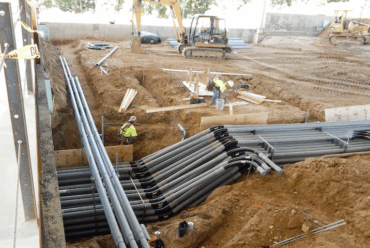
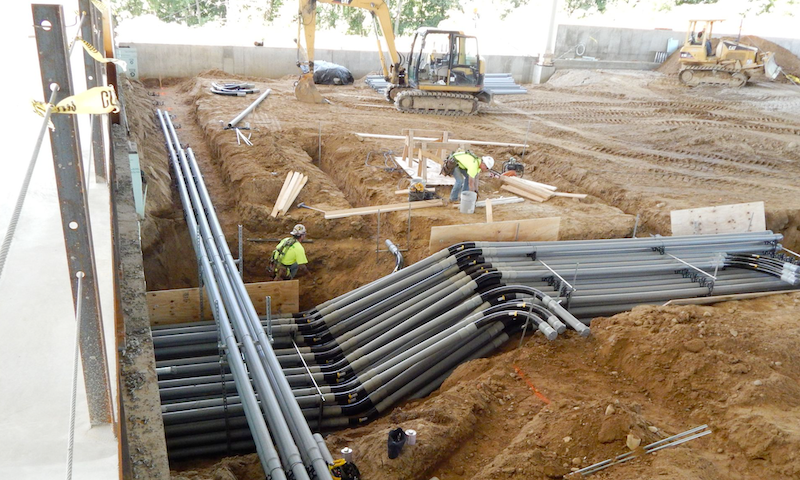
Soil types, weather, and terrain all influence fiber installation. Rocky soil can damage cables, wet
conditions can flood handholes, and high temperatures can strain splicing equipment.
How REIG Helps: We bring field tested expertise and the right tools for the job, whether it’s
armored direct-burial fiber, conduit systems, or handhole installations. Our technicians are
trained to adapt quickly to site-specific conditions without compromising quality.
3. Fiber Splicing and Testing
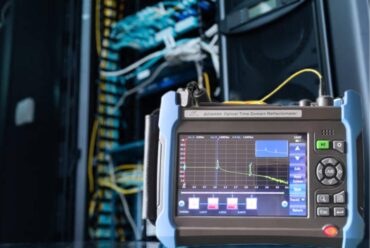
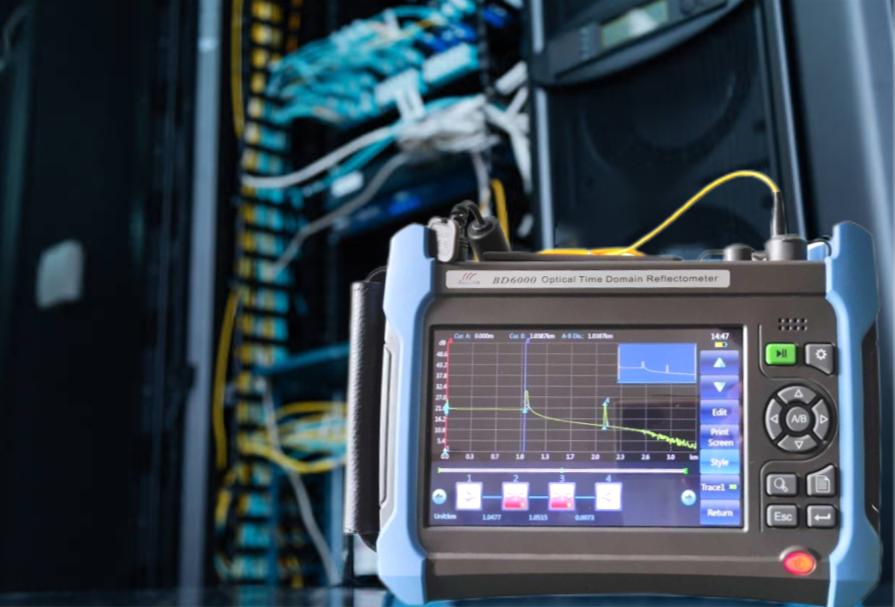
Precision fusion splicing requires skill, cleanliness, and proper calibration. A single bad splice
can introduce unacceptable losses and compromise the entire network. Testing is equally critical
OTDR and OLTS documentation must verify compliance before project turnover.
How REIG Helps: Our certified fiber technicians perform high-quality splices, then validate
performance using industry-standard testing equipment. We deliver clear reports, giving EPCs
and utilities confidence that every strand meets or exceeds project requirements.
4. Coordination with Other Trades
Fiber installation rarely happens in isolation. Crews must coordinate with civil contractors,
electricians, and SCADA integrators. Miscommunication can lead to damaged cables, missed
milestones, or rework.
How REIG Helps: With years of experience in renewable energy and utility projects, REIG
understands the pace and complexity of multi-trade environments. We integrate seamlessly into
project schedules, communicate proactively, and protect our work to avoid costly setbacks.
5. Long-Term Reliability
Once installed, fiber must perform reliably for decades. Poor installation practices—like leaving
cables unprotected, ignoring bend radius limits, or using substandard enclosures—can shorten
system lifespan.
How REIG Helps: We treat every project as if we’ll be maintaining it ourselves. From properly
labeling splice cassettes to sealing enclosures, we ensure networks are built for long-term
durability and ease of maintenance.
Why Choose REIG?
At REIG, we know that fiber isn’t just cableit’s the nervous system of modern energy
infrastructure. Our technicians bring the expertise, professionalism, and attention to detail that
ensure networks are not only installed correctly but also documented, tested, and future ready.
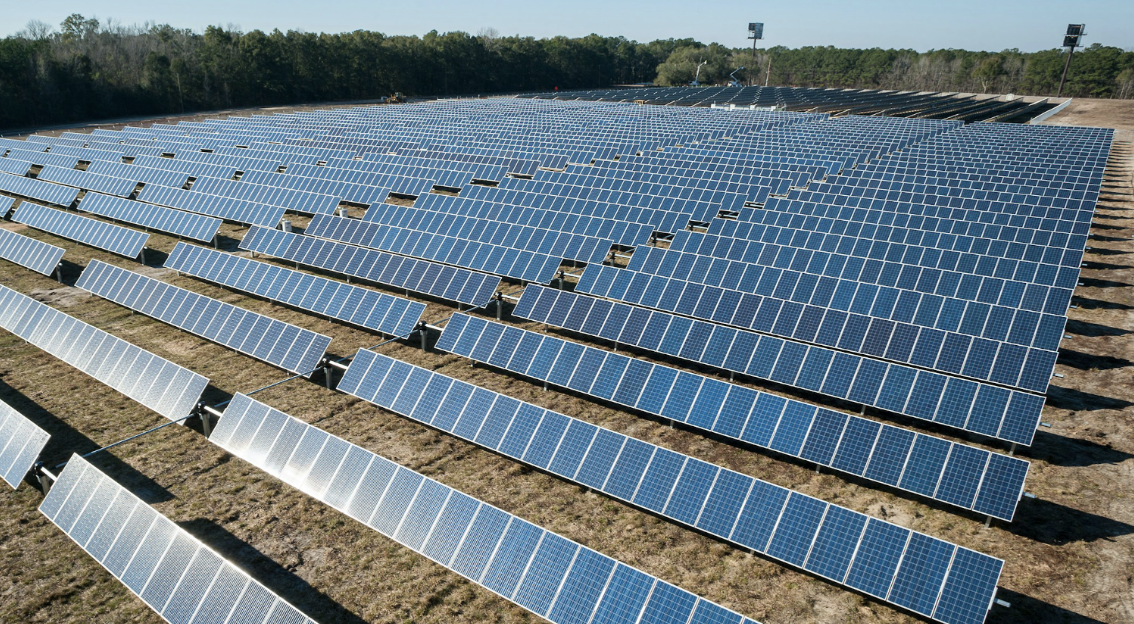
Whether your project involves direct-buried armored fiber, conduit runs, or redundant fiber loops
across a utility-scale solar farm, REIG is ready to deliver solutions that EPCs and utilities can
count on.
Installing a fiber optic network comes with unique challenges, from design to testing to long-
term reliability. By partnering with REIG, project teams gain a trusted ally who understands both
the technical and logistical demands of renewable energy and utility-scale projects. With our
skilled technicians and proven processes, we help ensure your fiber network is built right the first
time—reliable, resilient, and ready for the future.