
Phobos Solar
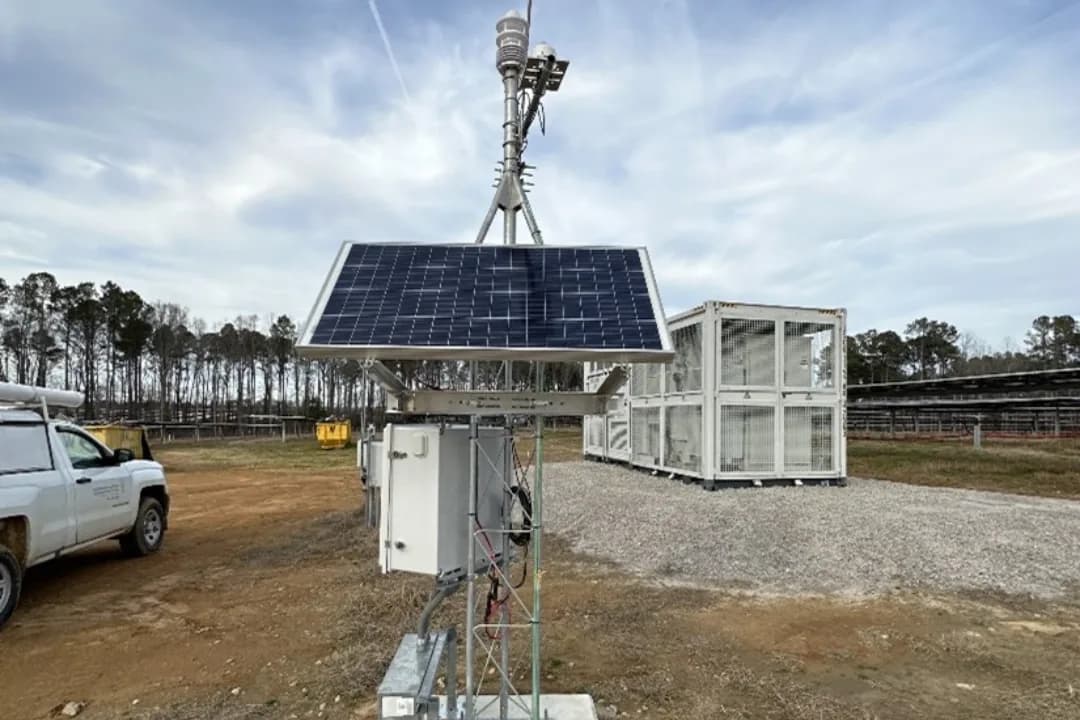
Phobos Solar is a 78 MW AC utility-scale PV plant in Middlesex, North Carolina, built for Blue Ridge Power. REIG Solar delivered the optical fiber installation and solar SCADA commissioning scope: fiber termination and testing, construction management for NorCal's DAS/SCADA hardware and weather stations, and final system verification confirming that fiber, inverter, and MET station data reached NorCal's GUI servers accurately and on schedule.
Phobos Solar: A 78 MW Utility-Scale PV Project in Middlesex, NC
Phobos Solar is a 78 MW AC solar plant in Middlesex, North Carolina, developed with EPC Blue Ridge Power and commissioned in August 2023. REIG Solar handled the optical fiber network and supported NorCal's DAS/SCADA hardware installation, giving the plant a communications backbone that reports fiber, inverter, and weather data back to a central monitoring platform.
The project sits within North Carolina's utility-scale solar footprint, one of the largest in the Southeast according to the Solar Energy Industries Association (SEIA). Plants at this scale need a communications network that can be trusted at every inverter, every MET station, and every fiber splice, because a single bad connector can blind an operator to a string of inverters for weeks.
Scope of Work: Fiber, DAS/SCADA, and Weather Station Installation
REIG Solar's scope on Phobos Solar covered three linked systems: the site's optical fiber network, NorCal's DAS/SCADA hardware, and the weather stations that feed performance data into the monitoring platform. Each system had to pass its own test before the team moved to final solar SCADA commissioning.
The crew ran REIG Solar's standard optical fiber installation and testing process alongside construction management for NorCal's hardware, so fiber splicing crews and DAS/SCADA installers worked the same site schedule instead of handing off in sequence. That overlap cut several weeks off the commissioning timeline compared to a strictly sequential build.
Optical Fiber Installation, Termination, and Testing
REIG Solar installed, terminated, and tested every fiber run on Phobos Solar before handing the network to NorCal for data polling. Each strand was tested for loss and continuity, then logged, so a bad splice could be traced back to its exact location on the site instead of being discovered later as missing inverter data.
Why Fiber Testing Matters for Solar SCADA Commissioning
Fiber is the backbone every other communication point depends on. If a single run fails loss testing, inverter, MET station, and DAS/SCADA data downstream of that run never reaches the GUI servers, and the gap can look like a hardware fault instead of a cabling fault. REIG Solar's field engineers follow IEEE fiber testing practice for loss and reflectance, which is why Phobos Solar's fiber network passed commissioning without a single re-splice.
DAS/SCADA Hardware and Weather Station Construction Management
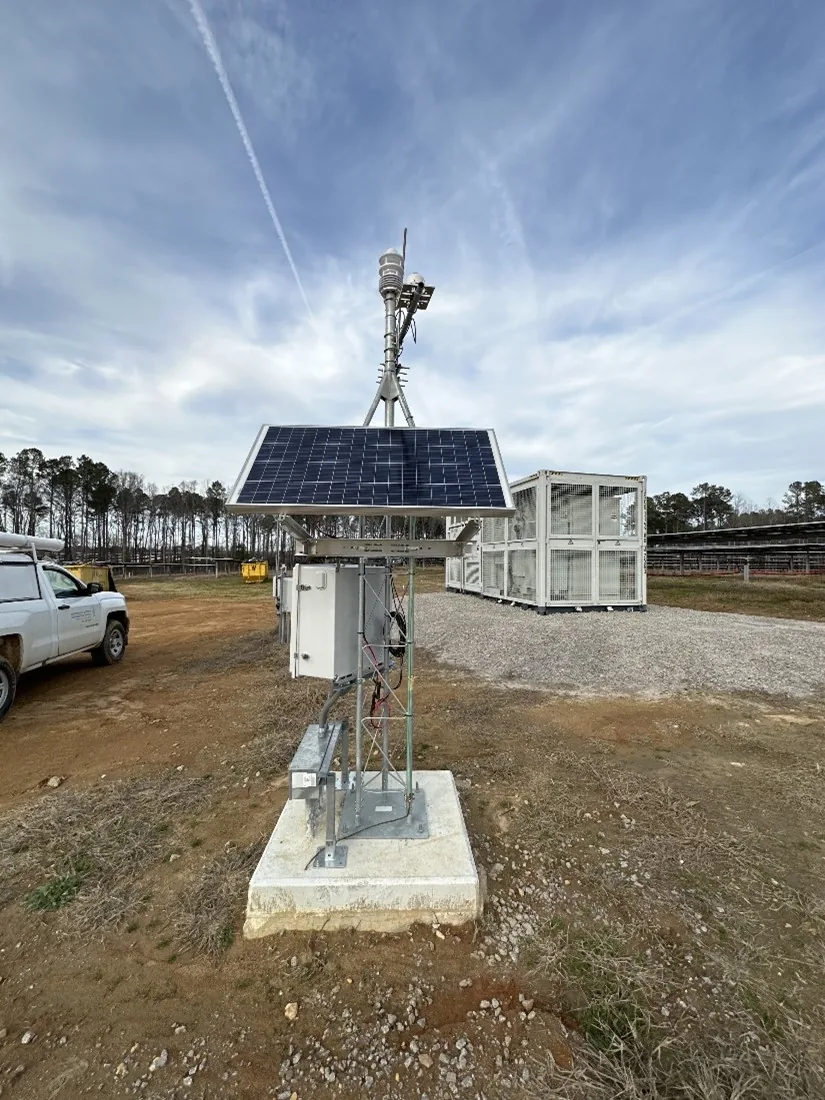
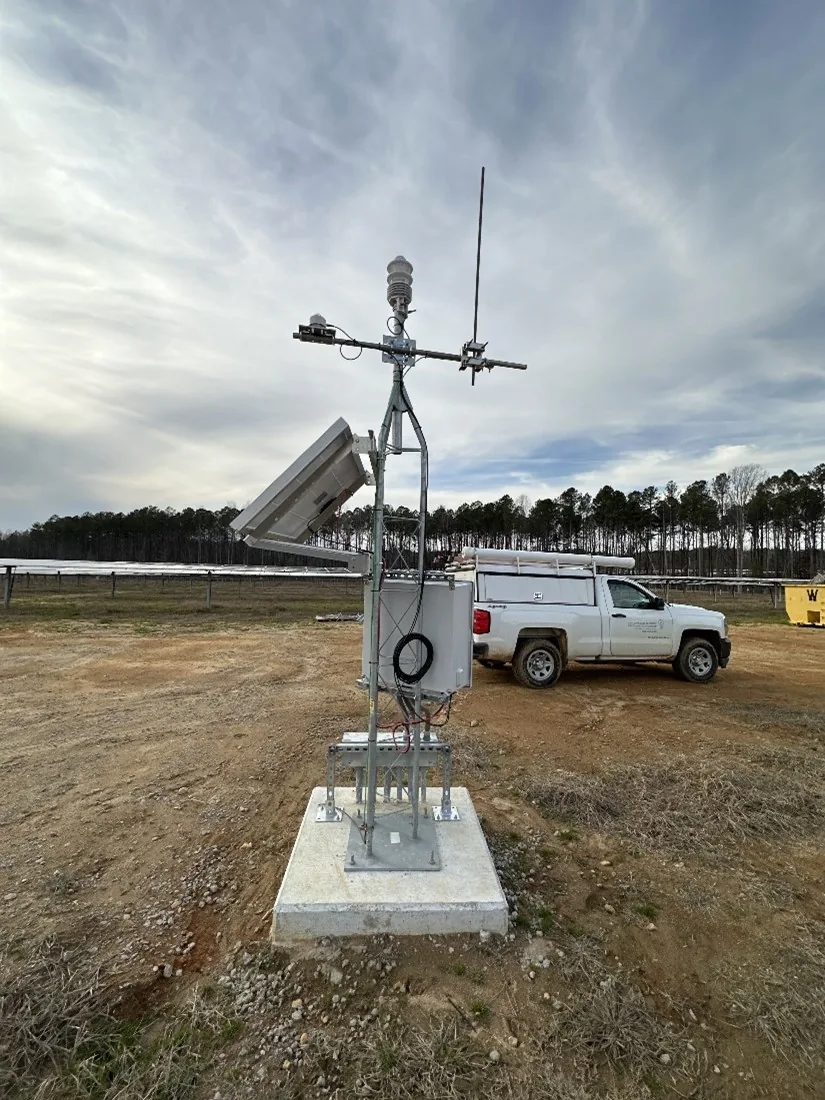
REIG Solar managed construction and installation of NorCal's DAS (Data Acquisition System) and SCADA (Supervisory Control and Data Acquisition) hardware across Phobos Solar, along with the site's weather stations and communication cabling. A DAS collects raw sensor and inverter readings on site. SCADA layers control and alarms on top of that data, so an operator can see and act on it from a single screen.
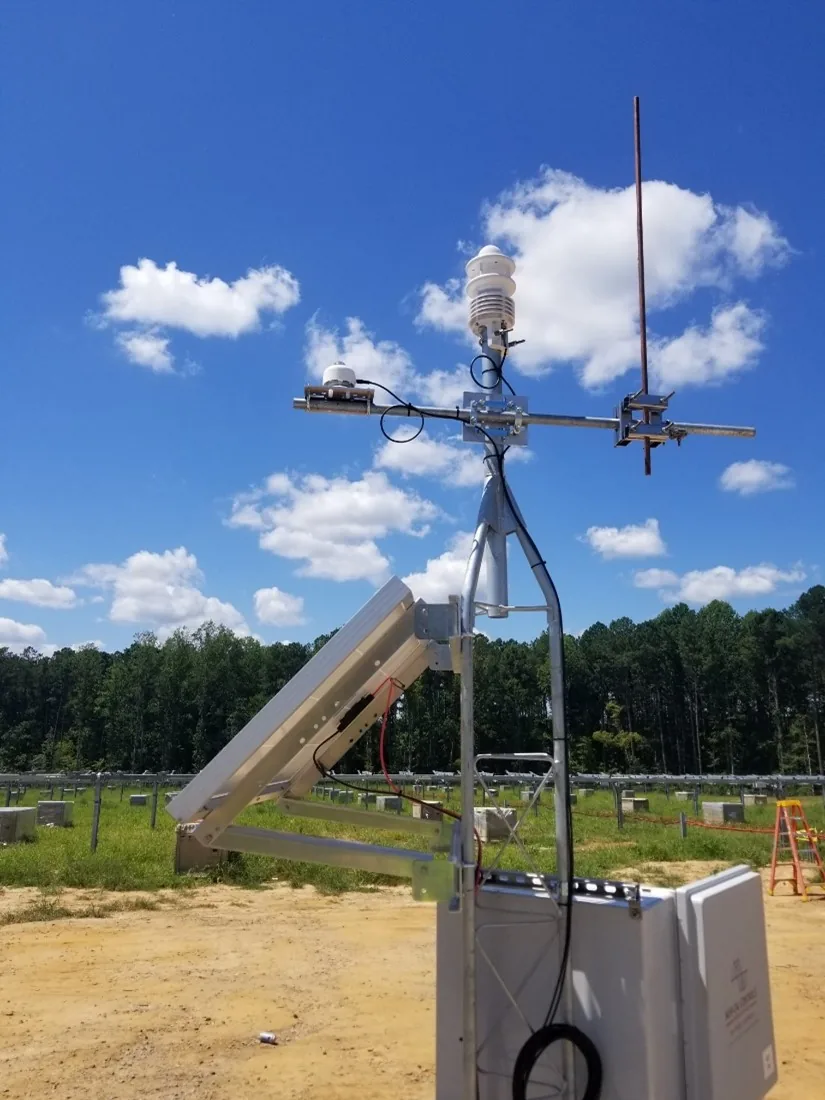
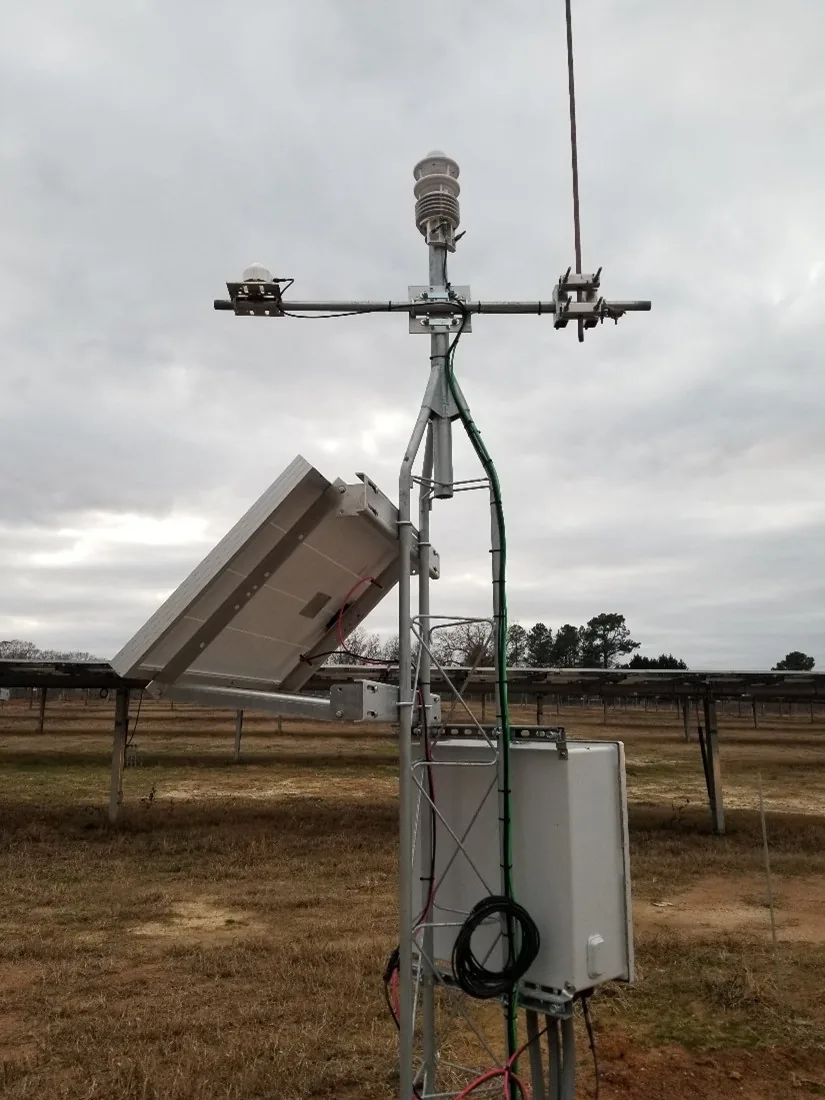
Each weather station, or MET station, carries irradiance sensors, a wind sensor, and a temperature probe, feeding data the plant needs to compare actual output against expected output under current weather. The National Renewable Energy Laboratory (NREL) uses this same class of weather data to calibrate its solar production models, which is the benchmark Blue Ridge Power's asset managers use to judge whether Phobos Solar is performing as designed.
REIG Solar's DAS/SCADA integration services cover this same hardware and cabling scope on other utility-scale sites, not only Phobos Solar.
Final Solar SCADA Commissioning and System Verification
Final solar SCADA commissioning on Phobos Solar confirmed that fiber communications, inverter communications, and MET station data, including weather sensors, could all be polled and would deliver accurate data to NorCal's GUI servers. REIG Solar walked every communication point on the 78 MW AC site before signing off, point by point, rather than sampling a subset and assuming the rest matched.
Verifying Inverter Communications and MET Station Data
The team checked inverter communications block by block, confirming each inverter reported to NorCal's platform under its correct site ID, since a mislabeled inverter can make a healthy string look like it is underperforming. During testing, one MET station returned inconsistent irradiance readings. The crew traced the problem to a loose sensor connector, re-terminated it, and re-tested the station before it passed. That single fix was the only rework needed across the whole commissioning pass.
| Communication Point | What Was Verified | Data Destination |
|---|---|---|
| Fiber optic backbone | Loss and continuity testing on every run | NorCal GUI servers |
| Inverter communications | Correct site ID and live polling for each inverter | NorCal GUI servers |
| MET stations and weather sensors | Irradiance, wind, and temperature sensor accuracy | NorCal GUI servers |
| DAS/SCADA controllers | Alarm and control signal pass-through | NorCal GUI servers |
Why Solar SCADA Commissioning Matters for Utility-Scale Solar Plants
Solar SCADA commissioning matters because a 78 MW plant that cannot report accurate data is a plant an asset manager cannot operate with confidence, regardless of how well the panels and inverters perform physically. The U.S. Department of Energy's Solar Energy Technologies Office treats monitoring and controls as a core part of plant performance, not an add-on, because operators use that data to catch underperforming strings, schedule maintenance, and report output to off-takers.
For Blue Ridge Power, solar SCADA commissioning on Phobos Solar meant the plant could go live with full visibility into every inverter and weather sensor on day one. REIG Solar's field engineering team treats that final verification step as part of the build, not an afterthought, because the cost of a site visit to fix a bad fiber splice months into operation is much higher than catching it during commissioning.
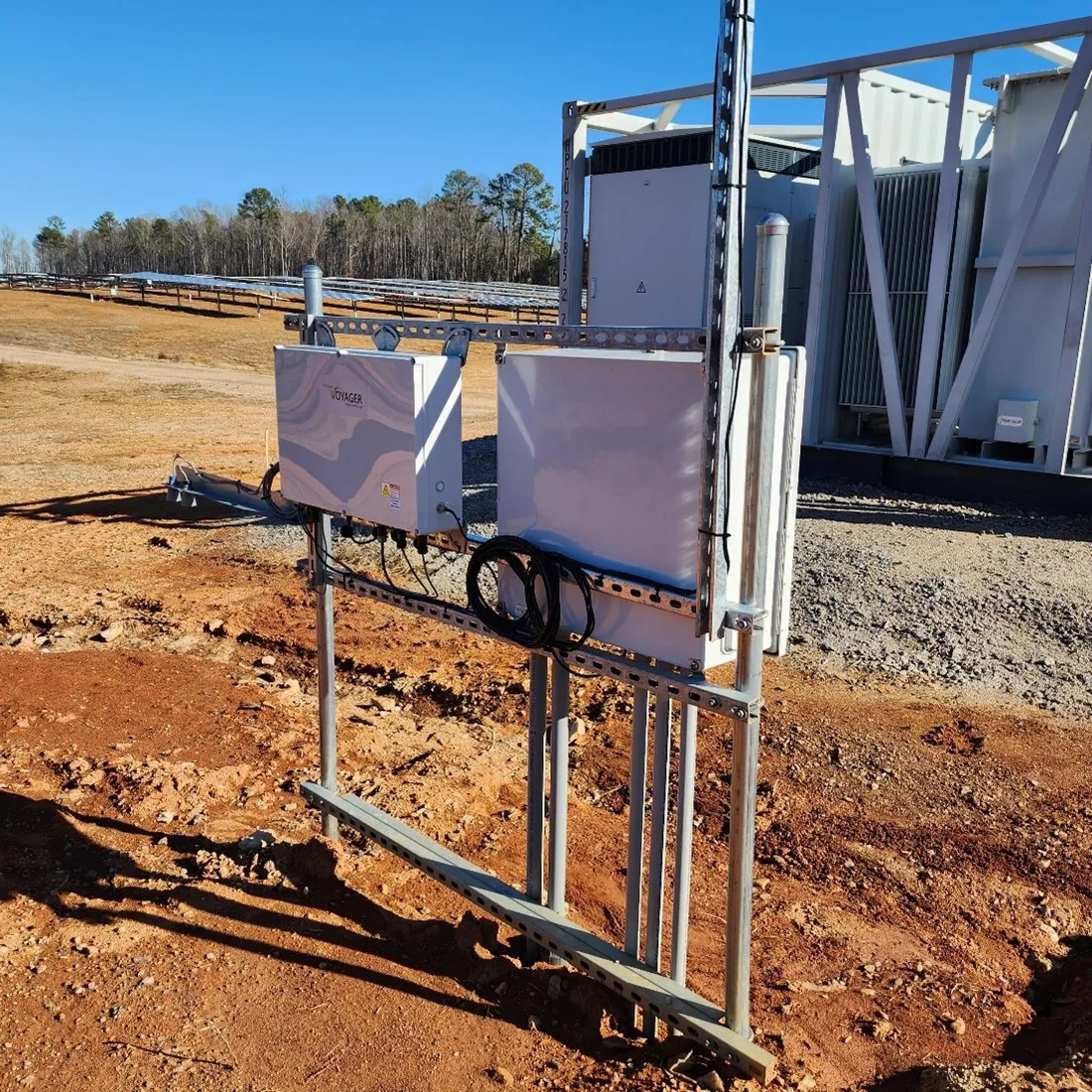
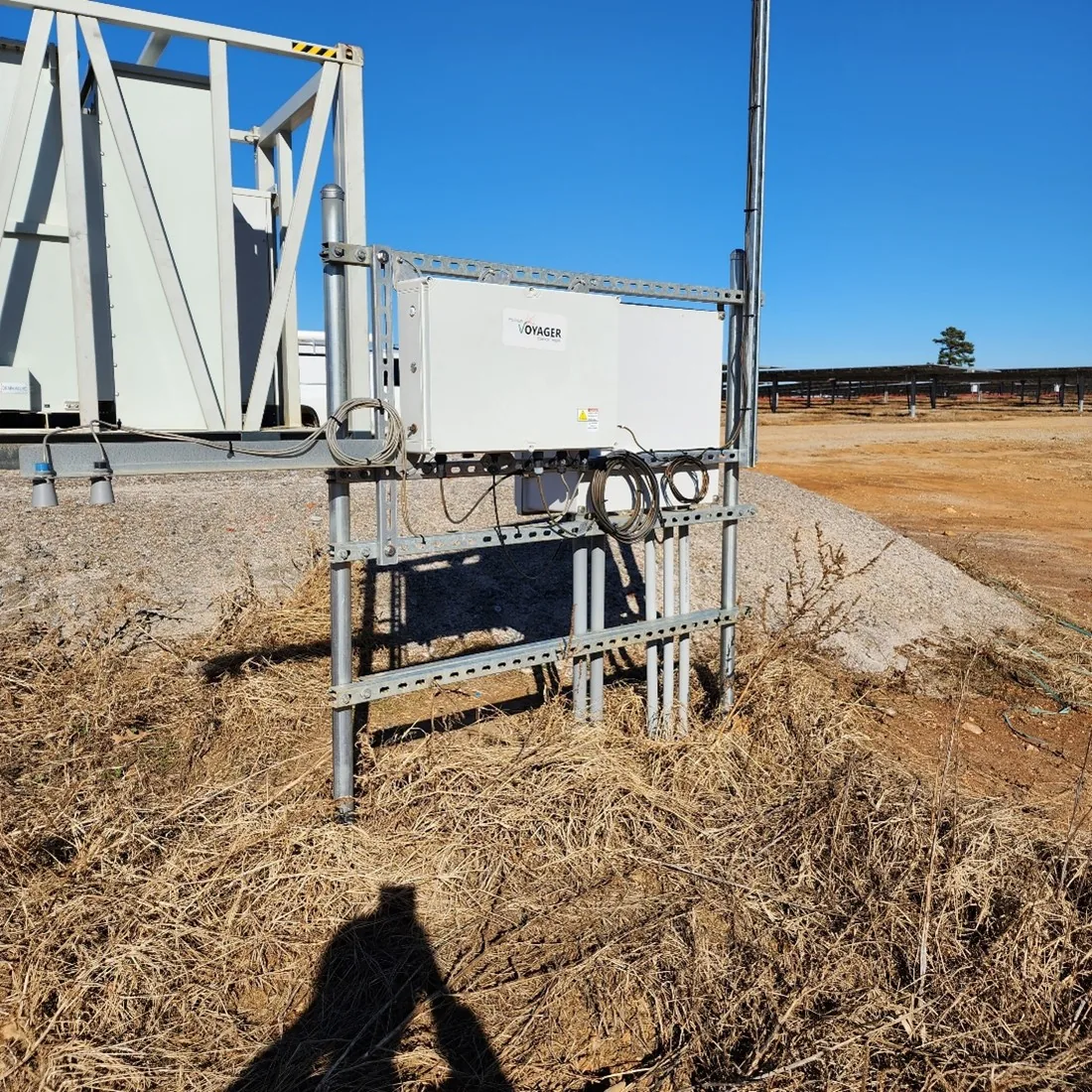
Phobos Solar Project Gallery: Fiber, DAS/SCADA, and MET Station Installation
The photos below show the fiber, DAS/SCADA hardware, and MET station work described above, taken on site at Phobos Solar during construction and commissioning.
Frequently Asked Questions About Phobos Solar
What Does Solar SCADA Commissioning Involve on a Utility-Scale PV Project?
Solar SCADA commissioning is the final verification stage on a utility-scale PV plant. It confirms that every communication point (the fiber backbone, inverters, MET stations, and DAS/SCADA controllers) reports usable data to the monitoring platform before the plant goes live. On Phobos Solar, REIG Solar tested the optical fiber network strand by strand, confirmed inverter communications across the 78 MW AC site, checked MET station weather sensor readings, and polled every device before handing the system to NorCal's GUI servers. Without this step, Blue Ridge Power would have no reliable way to compare actual plant output against NREL production models.
Why Does Fiber Optic Testing Matter for Solar Projects Like Phobos Solar?
Fiber optic testing matters because fiber is the backbone every other communication point depends on. If one run fails loss or continuity testing, inverter, MET station, and DAS/SCADA data behind that run never reaches the monitoring platform, and the gap can look like a hardware fault instead of a cabling fault. REIG Solar's crews tested every fiber run on Phobos Solar for loss and reflectance using IEEE fiber testing practice, logging each result against its exact location on site. That is why the network passed commissioning without a single re-splice. That result is not guaranteed on projects where fiber testing is skipped or sampled.
What Is a MET Station and Why Does It Matter for Solar Performance Monitoring?
A MET station is a weather monitoring point that carries irradiance sensors, a wind sensor, and a temperature probe. On a utility-scale plant, MET station data lets an operator compare actual inverter output against what the panels should produce under current weather, the same approach NREL uses to calibrate its solar production models. On Phobos Solar, REIG Solar verified every MET station's sensor readings during final commissioning, catching one station with a loose sensor connector that was returning inconsistent irradiance data before it was corrected and re-tested. Without accurate MET station data, a plant's performance numbers cannot be trusted.
How Long Does Solar SCADA Commissioning Take on a 78 MW Plant?
Solar SCADA commissioning timelines depend on site size and how fiber and DAS/SCADA installation overlap with construction. On the 78 MW AC Phobos Solar site, REIG Solar ran fiber installation and testing alongside construction management for NorCal's DAS/SCADA hardware instead of waiting for construction to finish first, which cut several weeks off the schedule compared to a strictly sequential build. Final verification (point by point testing of fiber, inverter, and MET station communications) was the last phase before the plant was handed to Blue Ridge Power with full data visibility on NorCal's GUI servers.
Who Built Phobos Solar and What Role Did REIG Solar Play?
Phobos Solar was built for EPC Blue Ridge Power in Middlesex, North Carolina, as a 78 MW AC utility-scale PV plant. REIG Solar's role covered the communications side of the build: optical fiber installation, termination, and testing, construction management for NorCal's DAS/SCADA hardware, weather stations, and communication cabling, and final system commissioning with NorCal to confirm fiber, inverter, and MET station data all reached NorCal's GUI servers correctly. NorCal supplied the DAS/SCADA platform and hardware, while REIG Solar handled the fieldwork that connected it to the physical plant.