
Elevating Renewable Energy: The REIG Advantage
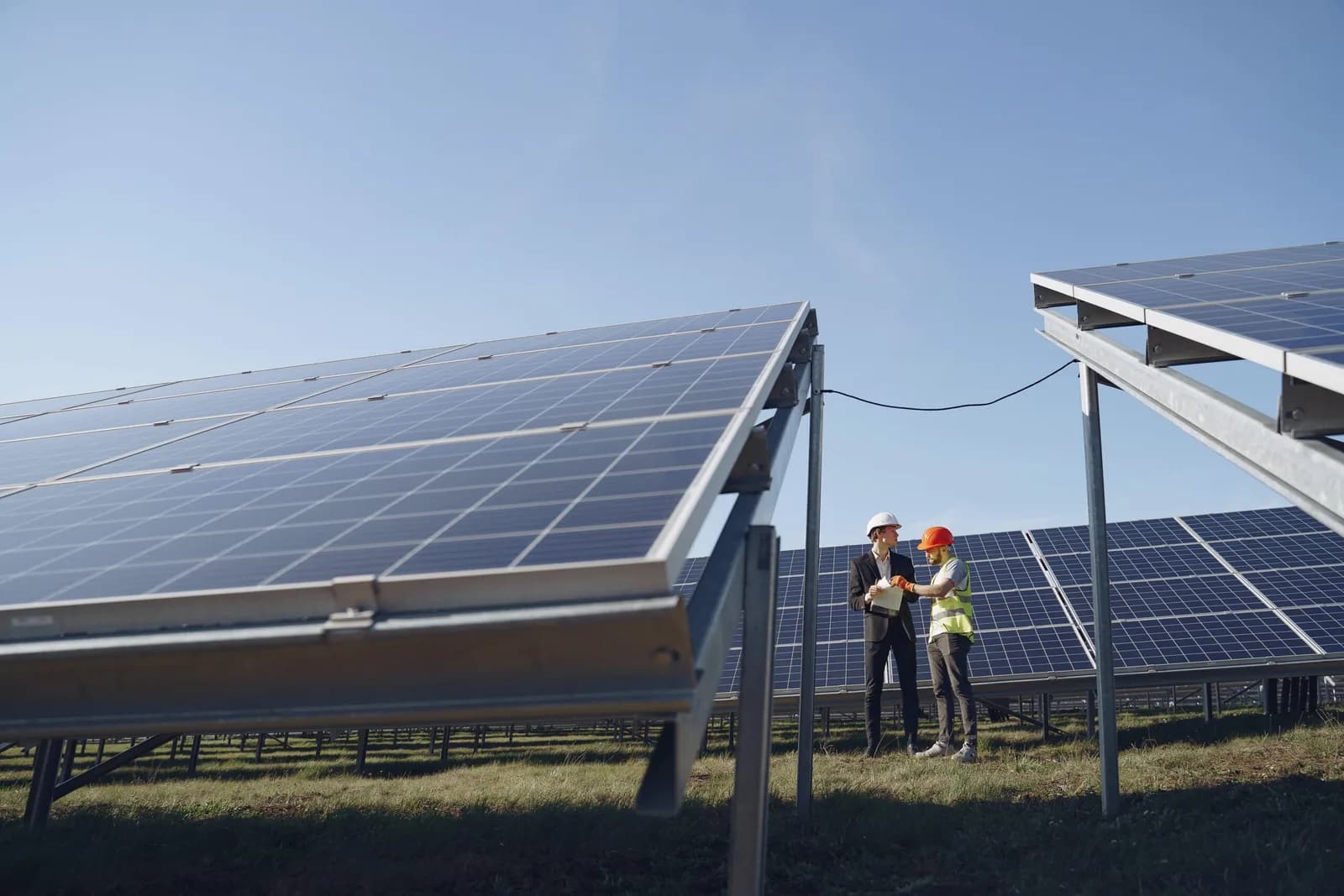
REIG delivers renewable energy EPC services that bundle site assessment, engineering, pre-assembly, installation, network communications, commissioning, inspection, and operations and maintenance under one contract instead of ten separate vendors. Since 2010, our crews have supported solar and storage sites from early site review through years of post-energization service calls. This guide breaks down each discipline inside our renewable energy EPC services scope, shows what changed after a 2021 fiber retrofit exposed a gap in our own specifications, and compares bundled delivery against hiring single-trade subcontractors.
REIG's Renewable Energy EPC Services, From Site Assessment to Fiber Commissioning
REIG's renewable energy EPC services cover ten linked disciplines so a solar or storage site moves from signed agreement to energized asset without new vendors at each stage. In 2023 alone, REIG crews touched more than 40 utility-scale and distributed-generation sites across the Southeast and Texas, handling everything from site review to optical fiber splicing. See the full list of service offerings for scope details by project type.
Site and Agreement Review
Before design starts, REIG's project engineers walk the site conditions, read the interconnection agreement, and flag conflicts between the two, consistent with interconnection study guidance from the National Renewable Energy Laboratory. On a 12 MW site in Val Verde County, Texas, this step caught a setback line conflict in the original civil plan three weeks before steel was due to arrive, avoiding a reorder. Findings go into a shared log the owner's team can review line by line, not a summary slide.
Engineering Design Inside Our Renewable Energy EPC Services Scope
REIG engineers issue stamped electrical and structural drawings, bills of material, and as built redlines for every site in our renewable energy EPC services scope. Drawings go through an internal check against NEC Article 690 and the site's interconnection agreement before release, which has cut field change orders on recent projects by roughly a third compared to designs handed off from outside firms.
Pre-Assembly and Enclosure Configuration
Combiner boxes, recloser cabinets, and communication panels are wired and tested at our shop before they ship, inside enclosures rated to IP66 or IP67 depending on exposure. An IP67 rating means an enclosure is dust tight and can survive temporary submersion, which matters more than it sounds. On a 2021 fiber retrofit across three Texas sites, we found moisture inside enclosures that had shipped with an older gasket spec. We now require IP67 gaskets on every enclosure that houses communication equipment, a direct fix traced back to that failure. Read more in our project case studies.
Field Installation Crews
Our installation crews set racking, modules, inverters, and combiner boxes to the stamped drawings, then hand each string to the commissioning team with torque logs and as built photos attached. Crews carry OSHA 30 cards and site specific fall protection plans, and a foreman signs off on every string before it is marked ready for energization. See open field technician roles if you want to join a crew.
Copper and Fiber Network Communications
REIG designs, pulls, and tests both copper and single mode fiber runs linking inverters, met stations, and the site's SCADA gateway. On larger sites we have run fiber backbones past 15,000 feet between the switchyard and the farthest inverter pad, with OTDR test results handed to the owner alongside the as built drawings.
System Commissioning, a Core Renewable Energy EPC Services Step
Commissioning engineers confirm point to point data accuracy, check protection settings against the interconnection study, and verify compliance with IEEE 1547 before a site is cleared to energize. This step is where REIG's renewable energy EPC services scope pays off most, because the same engineers who reviewed the design are the ones signing off on it.
Independent Quality Inspections
On projects where REIG is not the installer, our inspectors check torque values, cable terminations, and enclosure ratings against the issued drawings and flag deficiencies before substantial completion. In 2022, inspections on a 20 MW site in Georgia caught 14 under torqued lugs that would have been invisible until a thermal scan months later.
Operations and Maintenance Site Visits
Our operations and maintenance program sends technicians to each contracted site on a fixed schedule rather than waiting for a ticket, checking inverter logs, tracker alignment, and vegetation encroachment against the monitoring portal's data. Sites on a quarterly visit plan have shown fewer unplanned truck rolls than sites that call us only when output drops.
Rapid Response Repair Service
When a site does call with a fault, REIG dispatches a technician carrying the most common failed parts for that inverter model, aiming to restore production within one business day of the call for sites within our standard service radius. Response times run longer for remote sites outside that radius, which we disclose in the service agreement rather than promise and miss.
Specialized Optical Fiber Technicians
REIG's fiber technicians hold BICSI certification and handle splicing, OTDR testing, and patch panel termination for communication runs other crews are not trained to touch. This is the same team that traced the 2021 enclosure failure described above back to its gasket spec, and it is now responsible for signing off on every enclosure before it ships.
How REIG's Renewable Energy EPC Services Compare to Single Trade Contractors
Hiring separate vendors for design, installation, and network communications adds coordination risk at every handoff, and the owner absorbs that risk through schedule slip and rework. REIG's renewable energy EPC services contract puts all ten disciplines under one scope and one point of contact, which shortens the punch list and shortens who the owner has to call when something goes wrong.
| Factor | Single trade subcontractors | REIG bundled EPC delivery |
|---|---|---|
| Points of contact | One per trade, four to six typical | One project engineer for the full scope |
| Design to install handoff | Drawings pass between firms, errors often caught in the field | Same engineering team reviews and signs off on installation |
| Commissioning accountability | Installer and commissioning vendor may dispute root cause | Commissioning engineer reviewed the original design |
| O&M history | New vendor starts without site history | REIG retains as built records from day one |
What the 2021 Fiber Retrofit Taught Us About Enclosure Specs
In the fall of 2021, REIG technicians opened communication enclosures across three Texas solar sites and found condensation on circuit boards that had been in service less than a year. The gasket spec we had been using met the drawing requirements on paper, but it did not hold up against the humidity swings those sites see between summer and winter. We replaced the gaskets, rewrote the enclosure spec to require IP67 ratings on anything housing communication equipment, and retrofitted the affected panels at our own cost rather than billing it as a change order. That spec now applies to every site in our renewable energy EPC services scope, including ones far outside Texas where humidity is a smaller risk.
Frequently Asked Questions About Renewable Energy EPC Services
What does "EPC" mean in renewable energy EPC services?
EPC stands for engineering, procurement, and construction. Inside this delivery model, a single contractor handles the stamped engineering drawings, orders or specifies the equipment, and either installs it directly or manages the installation crews, instead of an owner contracting separately with a design firm, a procurement broker, and an installation company. REIG extends that model further by also owning network communications, commissioning, inspection, and operations and maintenance, so the same team that designed a site is still the team visiting it for service calls years later.
How long does a typical REIG installation take from contract to energization?
Timelines vary with site size and interconnection queue position, but a distributed generation site in the 1 to 5 MW range typically moves from signed contract to mechanical completion in four to six months once permits and the interconnection agreement are in hand. Utility scale sites above 20 MW run longer, often nine to fourteen months, because procurement lead times on transformers and switchgear have stretched since 2021. REIG shares a schedule with milestone dates at contract signing and updates it monthly so the owner is not guessing at progress.
What happens if an inspection finds a problem REIG did not install?
When REIG is the independent inspector rather than the installer, we document every deficiency against the issued drawings and applicable code sections, typically referencing NEC Article 690 for PV specific wiring, and send a punch list to the owner and the installing contractor rather than fixing it ourselves. That separation matters because an inspector who also stands to profit from the repair has a conflict of interest. REIG's inspection contracts explicitly exclude us from bidding on remediation work found during that same inspection.
Does REIG only work on solar, or also storage and other renewable sites?
REIG's EPC scope covers solar PV, battery energy storage systems, and hybrid sites that combine both, along with the network communications and SCADA integration those sites share, in step with the storage attachment trends SEIA tracks across the industry. The ten discipline scope, from site assessment through commissioning and maintenance, applies the same way regardless of generation type, though storage sites add fire suppression and thermal monitoring checks to the commissioning checklist that pure PV sites do not need.